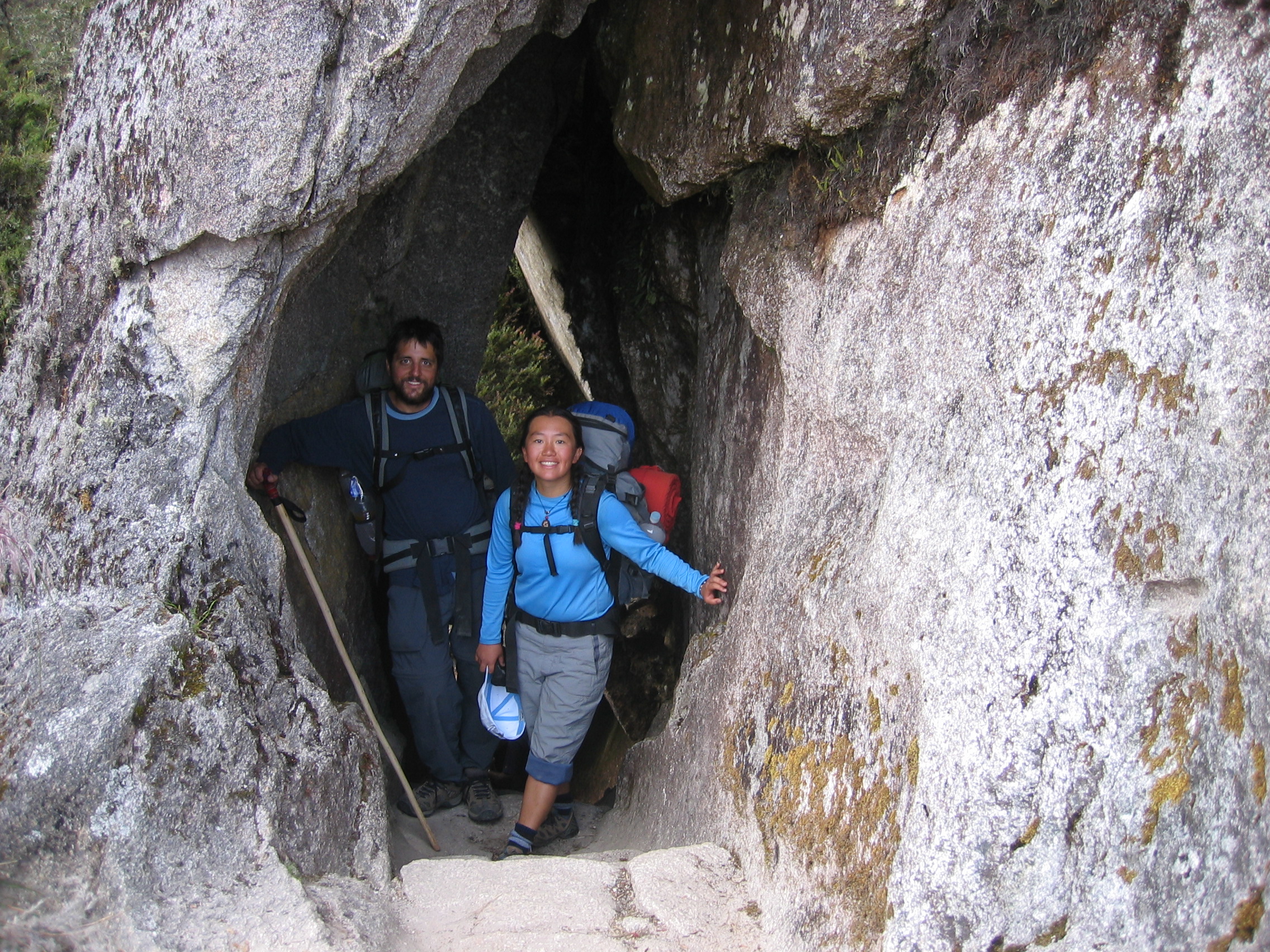
We just returned from the four day trek on the Inca trail. We were a bit skeptical of how the experience was going to be becuase we are used to hiking and camping in solitude. Each day, 500 people are allowed onto the Inca Trail, so we were afraid that so many people would ruin some of the peace and quite that we are normally used to when camping. It turns out that we were partially correct. The name of the trail should be changed to the Gringo Trail since there are so many Gringos and no Incans. Having so many people on the trail all at once was a bit annoying. But there were lots of positive aspects of this trek to talk about.
We signed up with a tour company called Andean Life a few months ago. Each day, the government only allows 500 people onto the trail, so you have to book your spot months in advance. Our group consisted of 13 tourists, 2 guides, 1 cook, 1 assistant cook, and about 15 porters who carried most of the supplies. For an additional $50, you could hire a porter to carry your backpack for you during the four day hike. Su and I were some of the only people we saw during the 4 days who were carrying our own packs.
This was by far the most plush camping we have ever done. Even though we carried our own backpacks, the porters still carried our tents and the food for the group. All we had to carry was our sleeping bags, sleeping pads, water and clothes. Each morning, we were awoken by the cook who would unzip our tent and offer a variety of tea to drink. So, for the first chilly moments of the day, we got to drink hot tea and stay in our sleepíng bags. Then they boiled water and poured it into a small wash basin, and provided soap and towels so we could freshen up before breakfast. Breakfast was an assorment of pancakes, eggs, hot cereal, tea, coffee, hot chocolate, toast, and fresh fruits. After breakfast, the porters broke down camp, packed up and ran ahead to the lunch spot where they prepared lunch for us and waited for us to arrive.
We would usually stroll into camp a few hours behind the porters. When the porters saw us coming, they ran to us to take the packs off of our backs for the last few yards, and another porter would pour us a glass of juice. Not too shabby. Then we would sit down to lunch which could be trout, or fresh pizza, or chicken rolled with ham and cheese. The food was amazing. I think we gained weight on the trek.
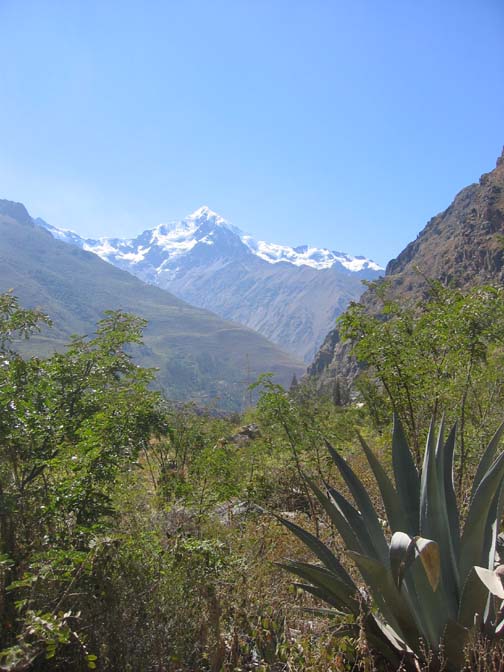
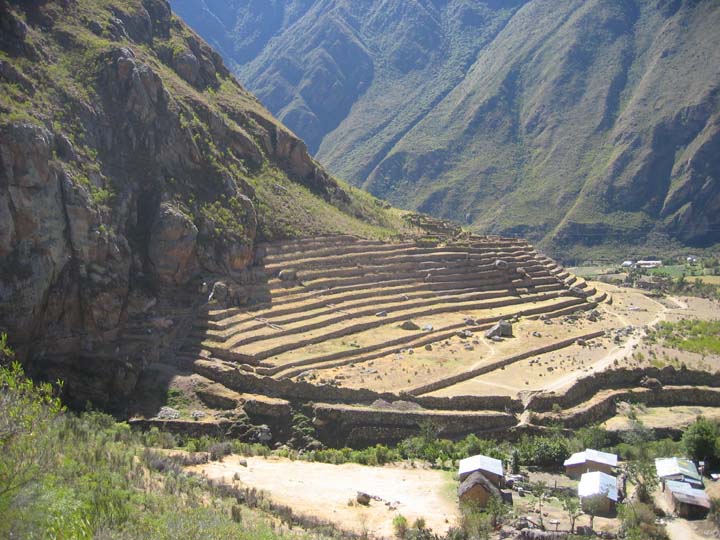
Onto the trek itself. The first day, we had a simple hike along a river, beneath a giant mountain, and alongside two small Incan ruins. Here is a picture of one of them, which is a town called Llactapa. We hiked for about five easy hours this day.
The second day was the hardest day. We climbed to the top of dead woman’s pass, which was an elevation gain from about 9000 feet to 14000 feet. This was the hardest hike I have ever done at this elevation. I struggled a bit, near the very top, but was fine compared to most of the others in our group. The others have never really hiked before. And they all just arrived on vacation to Cuzco, so they were not adjusted to the high altitude yet. That usually takes at least a few days. So, the rest of our crew slowly limped up to the top of the pass, in complete exhaustion. After summiting, we walked down the other side of the pass to our camp, where our porters were waiting with a hot meal.
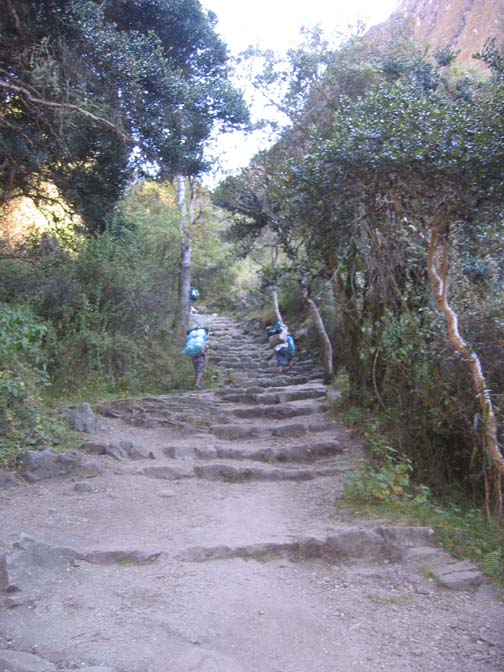
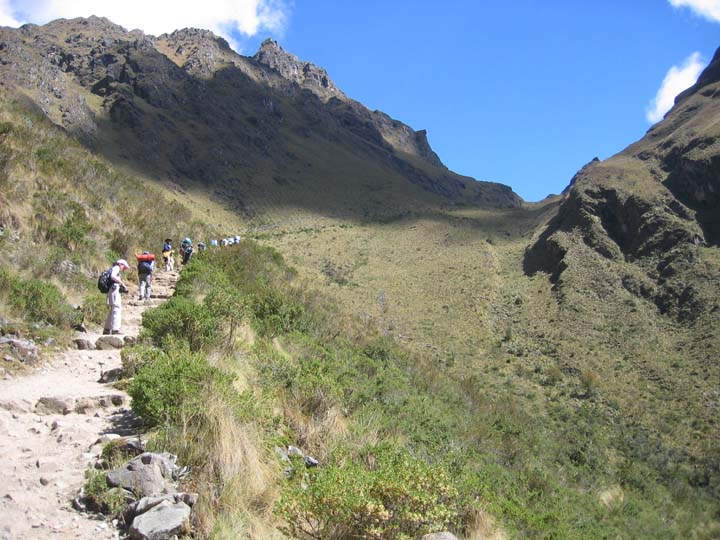
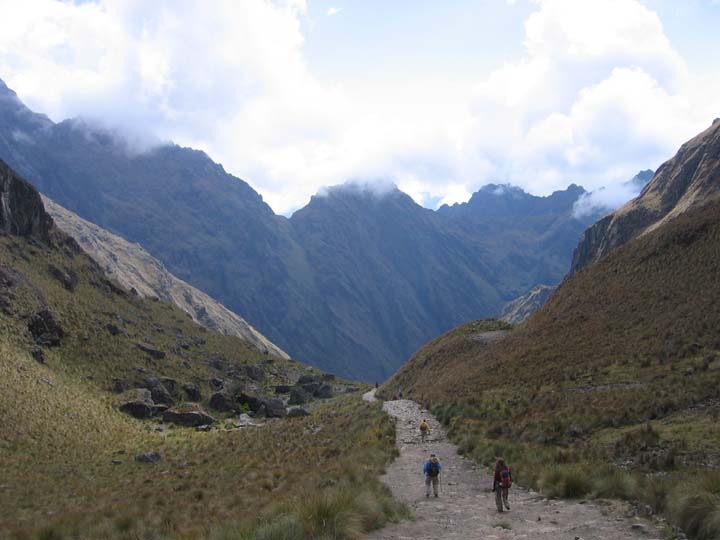
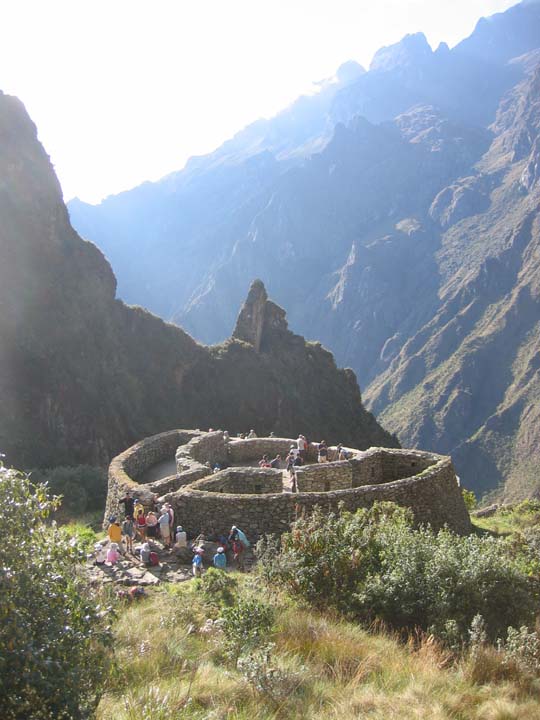
The third day we walked almost all day. First we walked past a ruin called Runturacay, which was used as a lookout point and supply store for people walking to Machu Pichu. The next ruin we came to was Phuyupatamarca, which is the last town on this trail on the way to Machu Pichu. After having lunch, we continued walking down this huge mountain until we reached our camp for the night. Next to the camp was a beautiful ruin called Huinay Huayna. This was an agricultural site near Machu Pichu. At its height, Machu Pichu had about 1000 people living there, but they couldn’t grow enough food for themselves. Sites like Huinay Huayna grew food for the people living in Machu Pichu. After visiting this ruin, we returned to a great dinner and went to bed early.
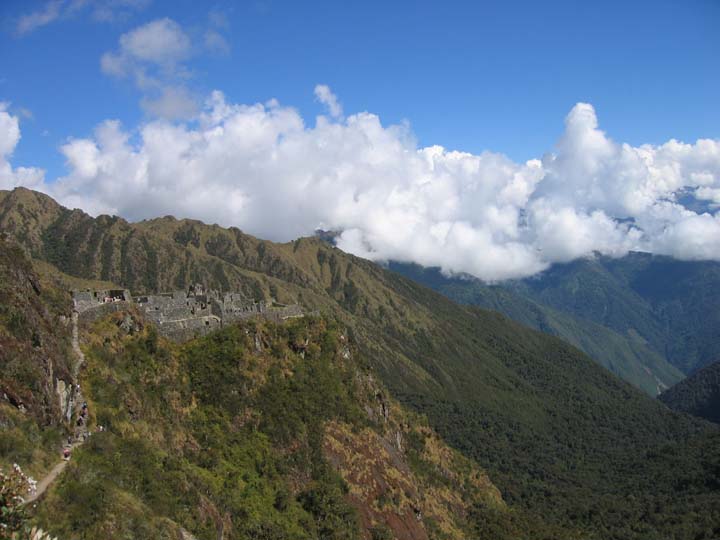
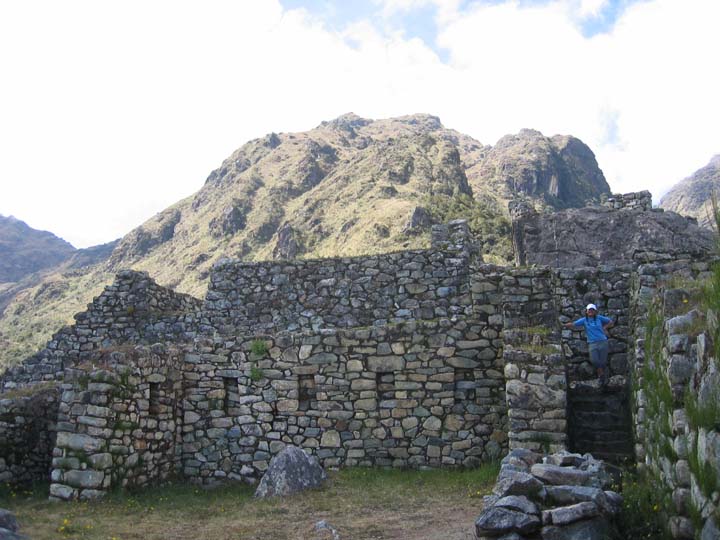
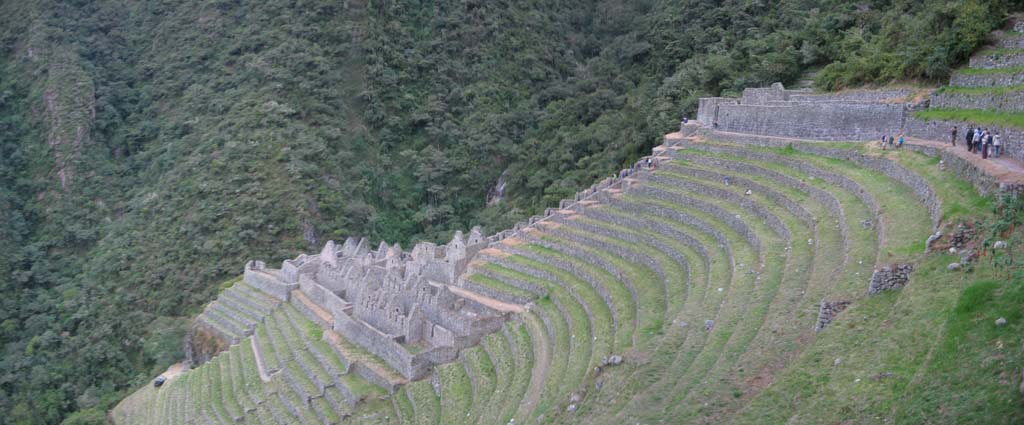
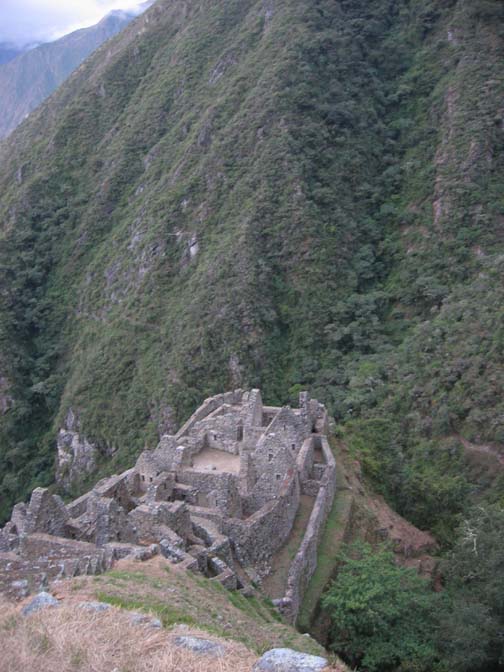
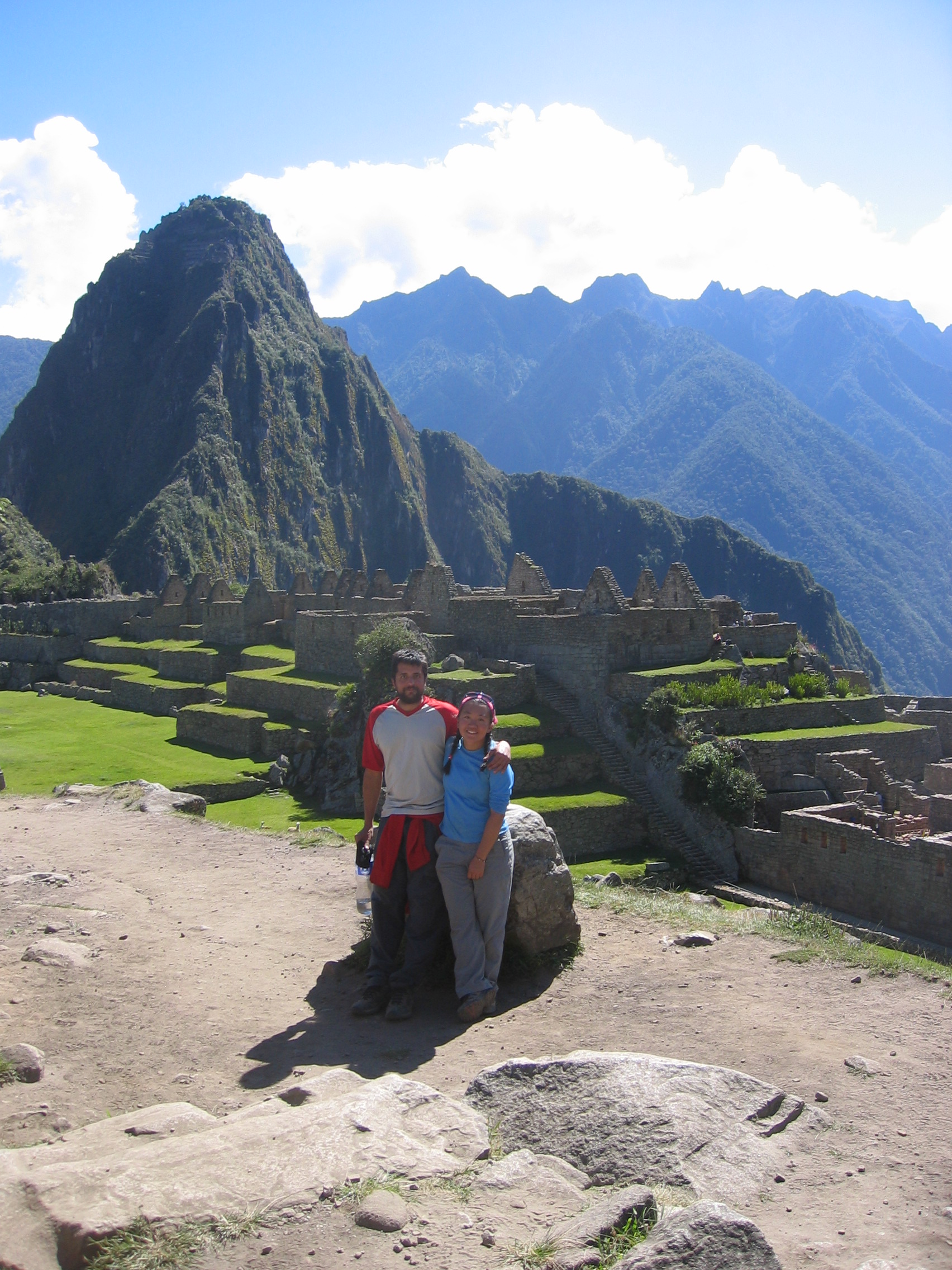
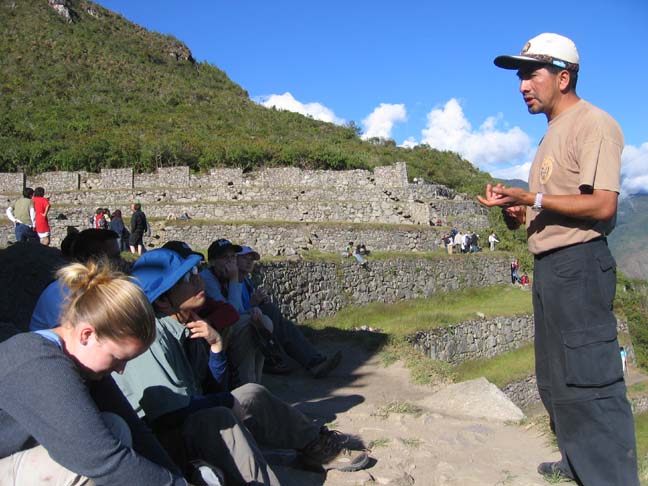
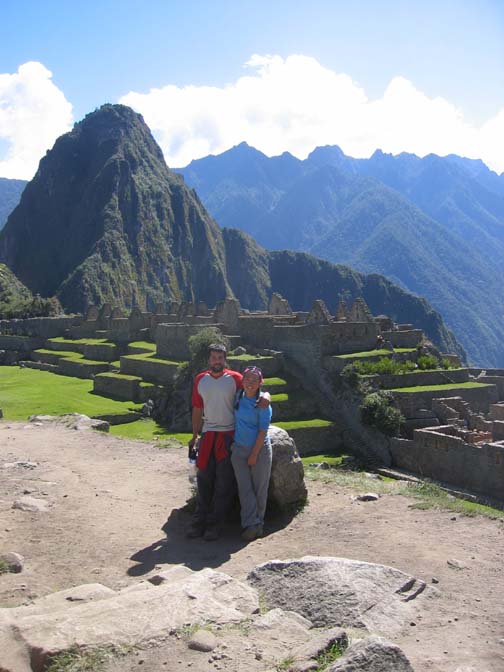
The fourth day, we woke up at 4am and started hiking around 5:30 after breakfast. We arrived at the Sun Gate, Intipuku, to watch the first rays of sunlight hit Machu Pichu. There, we watched the ruins for about an hour, and then continued on to into Machu Pichu. Look at this picture. And this one. Our head guide Freddy was an amazing guide with a wealth of knowledge. He lead us around Machu Pichu for a few hours explaining most of the towns highlights.
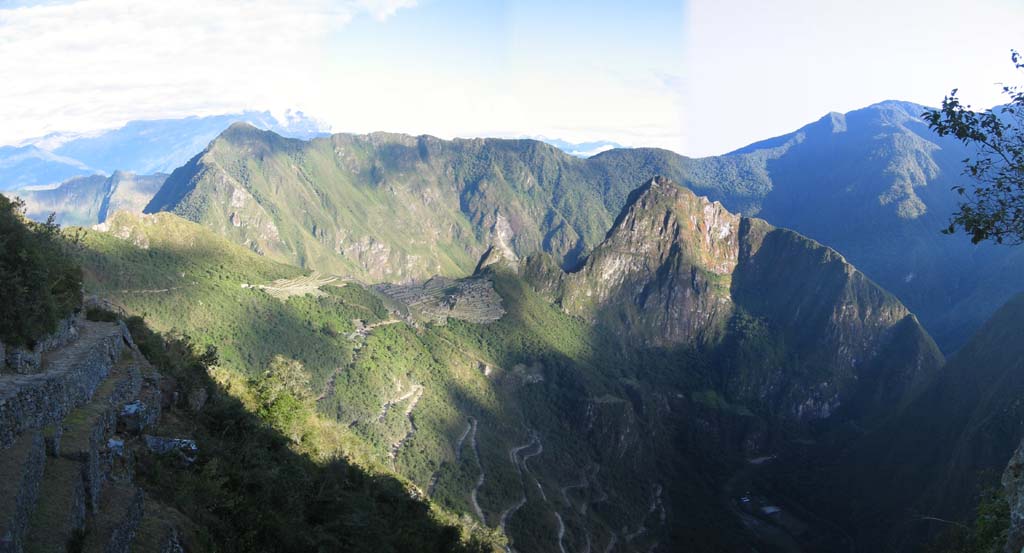
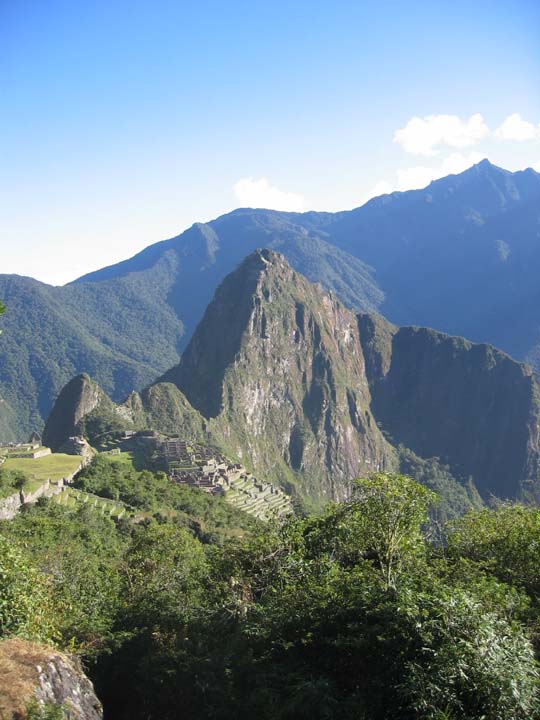
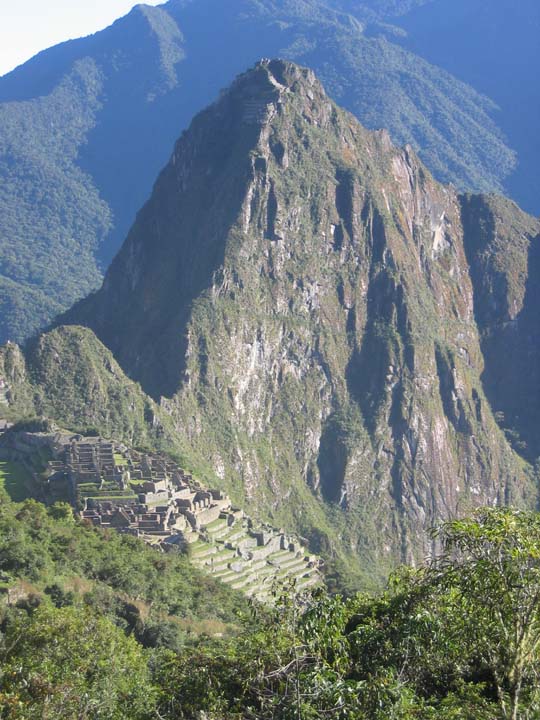
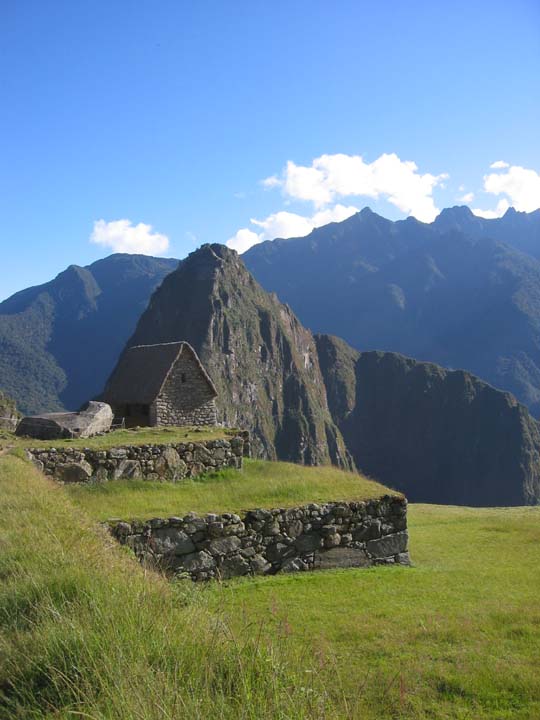
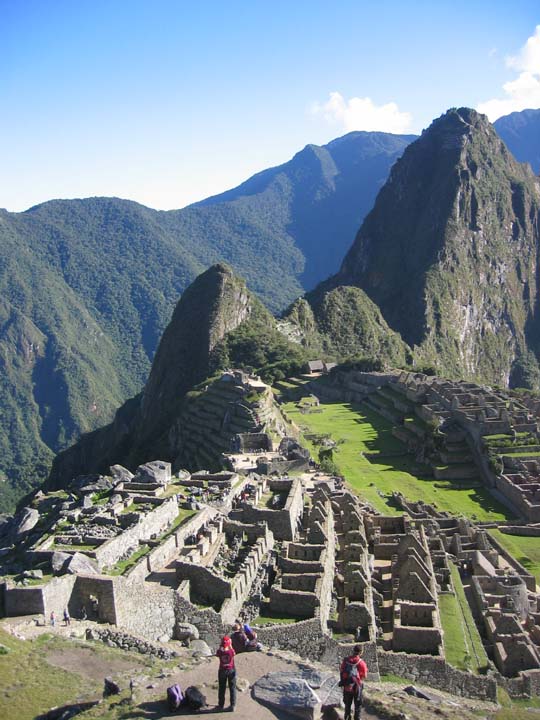
What was most amazing about the ruins was the precision of the stone work. Take a look. Another picture. The terraces were also amazing. Look. Here is a picture of one of my favorite places…..the Temple of the Three Windows. Here is a picture of the main plaza. And another.
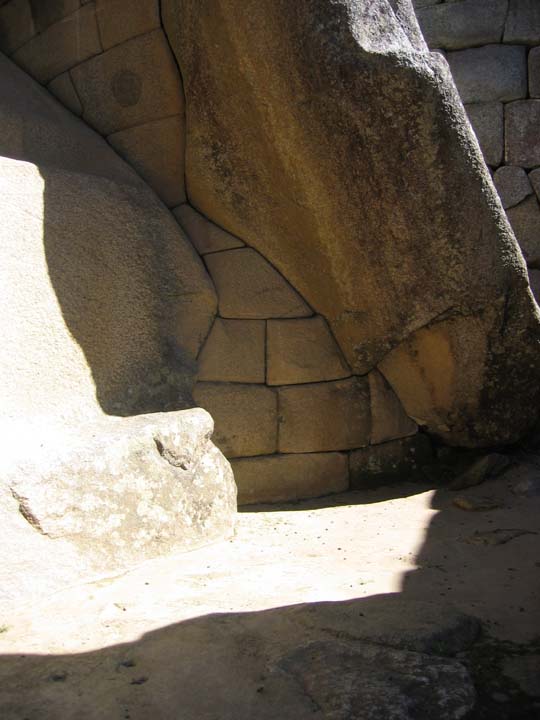
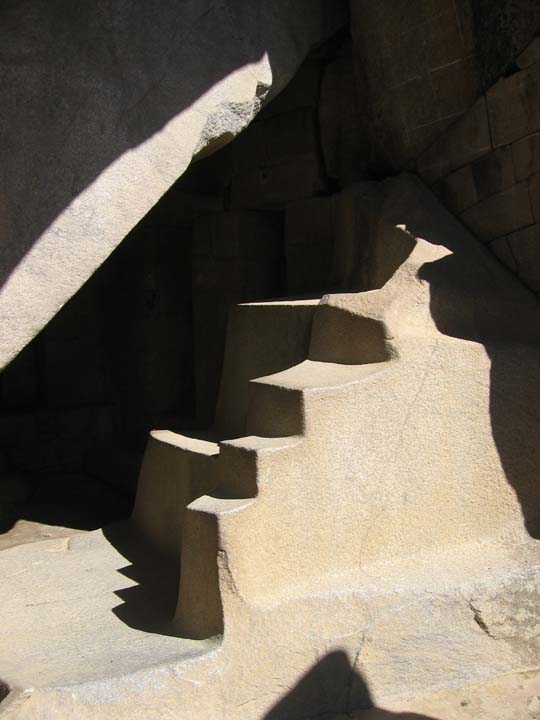
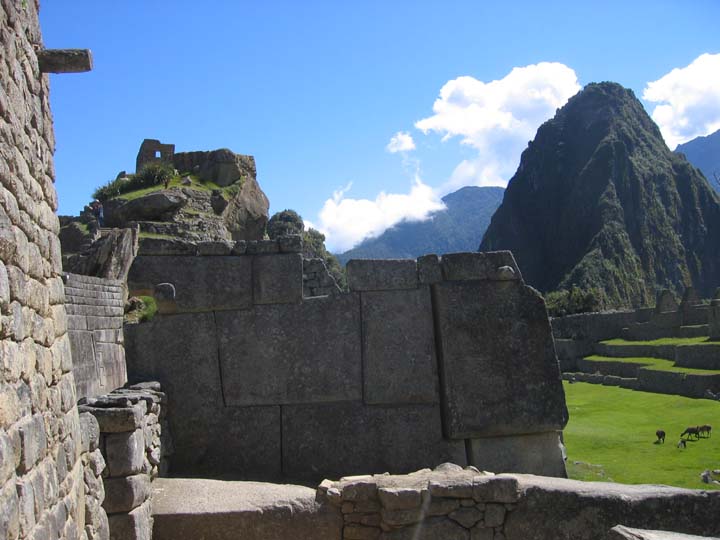
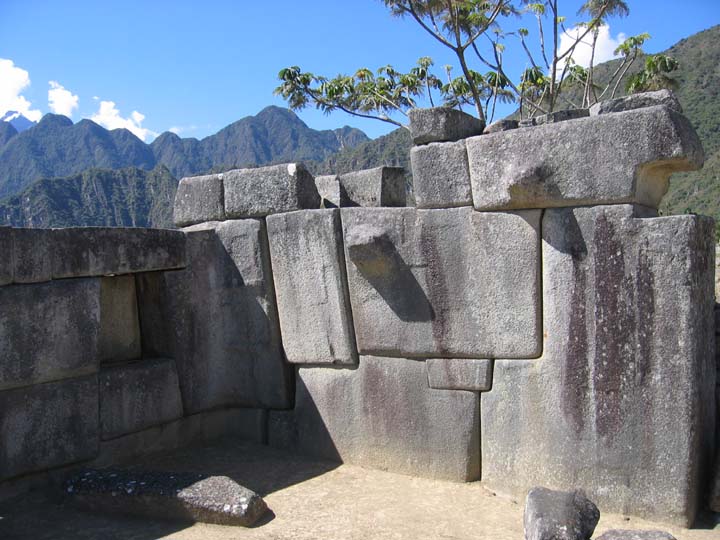
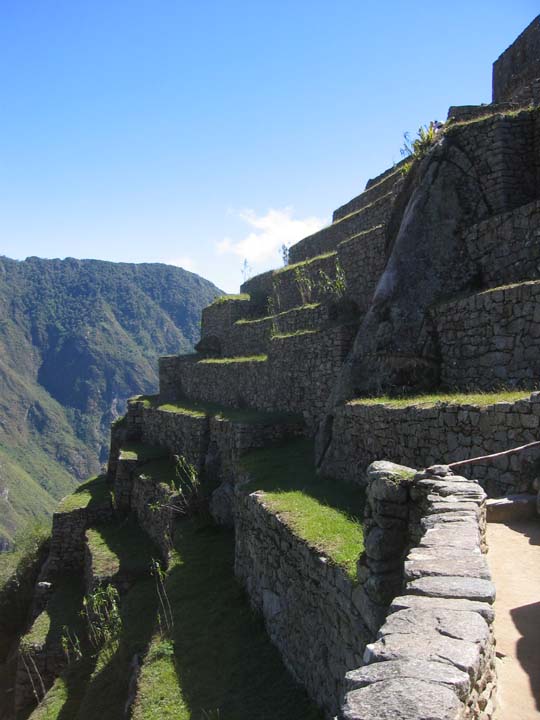
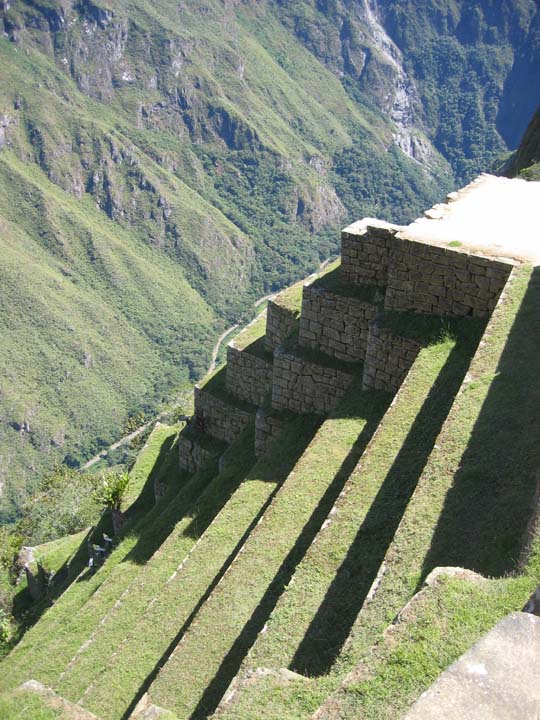
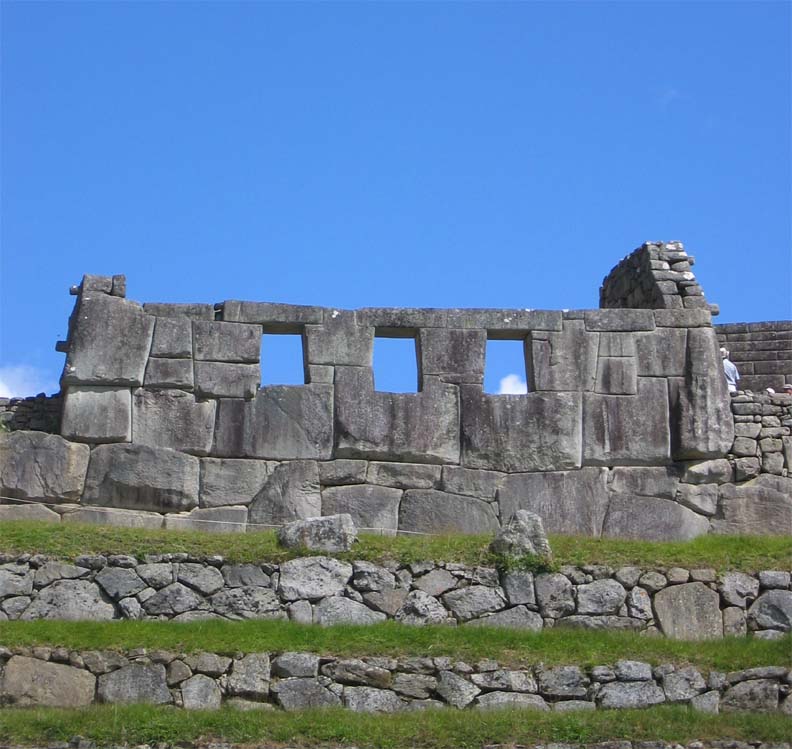
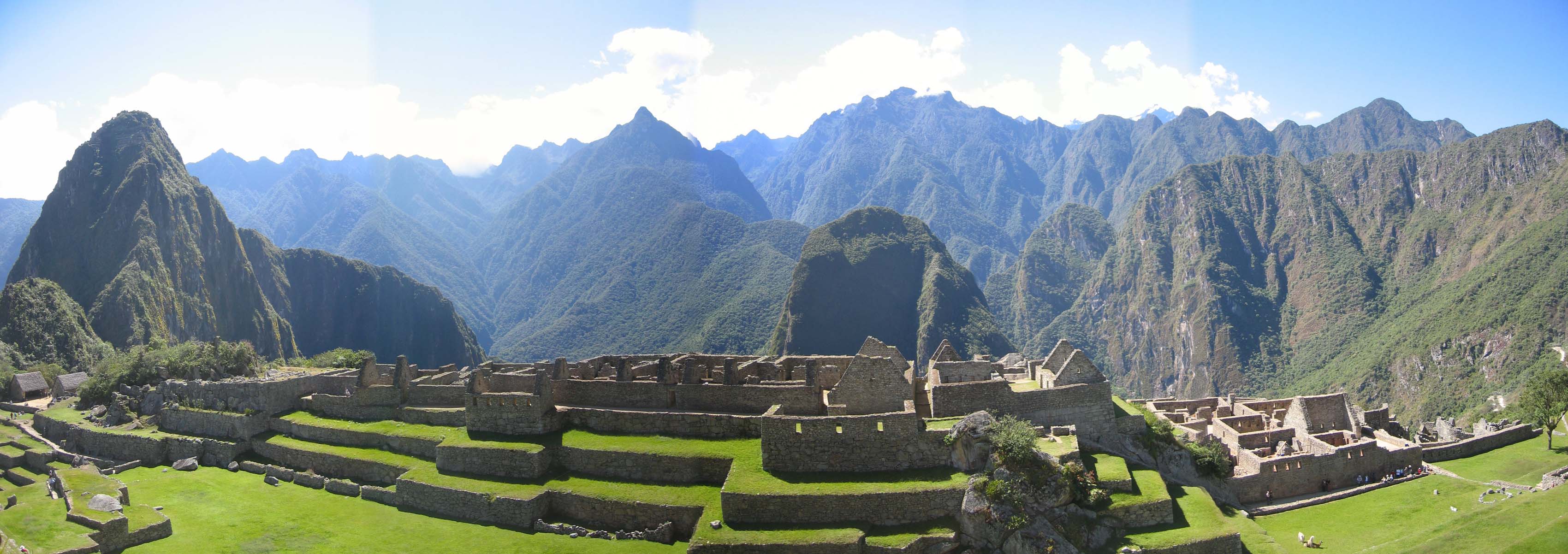
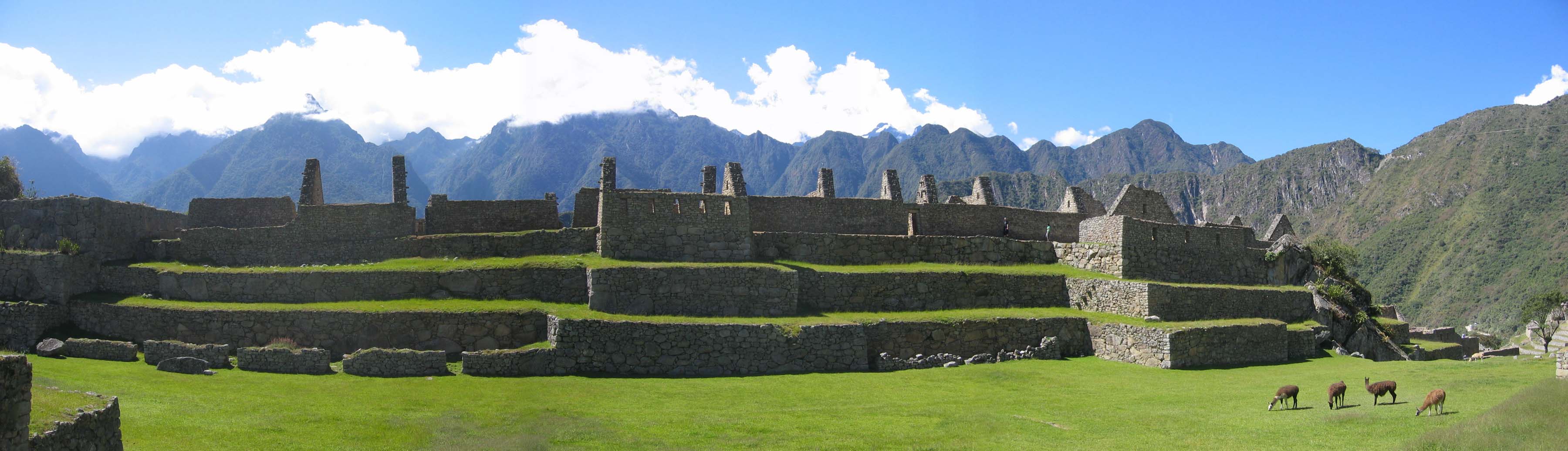
Afterward our tour ended, we were free to roam around the ruins on our own for a few hours. Su and I climbed the small mountain behind the ruins called Huayna Pichu. Afterwards, we headed down to the entrance of the park and took a bus to a nearby town called Aquas Calientes, where we relaxed for the next day.
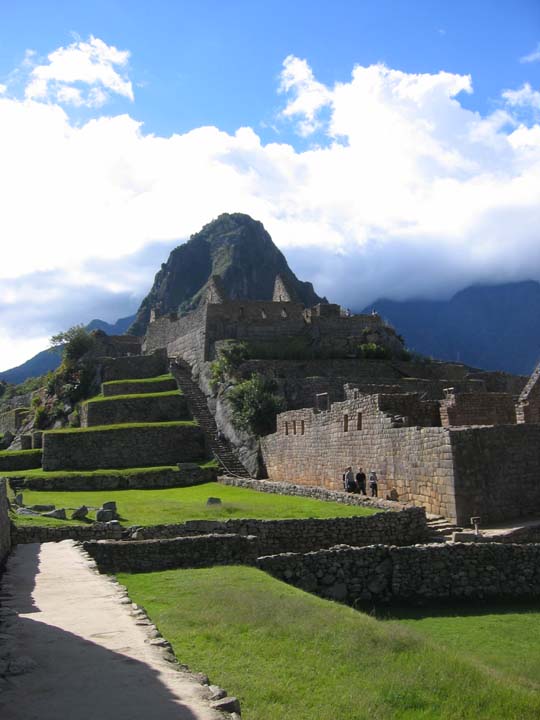
The history of Machu Pichu is interesting. The Incan Empire was at its peak when Pizarro and the Spanish arrived in the early 1500’s. Once the Spanish saw all of the gold and silver in the capital of Cuzco, they wanted it all. And they wanted control of the territory. A war broke out, which the Incas lost. The Incas fled the capital of Cuzco for the jungle. All of the Incan temples were destroyed and Catholic churches were built on top of them. Local Incan sites were dismantled and the stones were used to build the houses of the Spanish conquerors. This is a grim history about the wiping out of the native empire. As the Incas fled into the jungle, they destroyed all of the paths and trails that they had built in the mountains. They did this hoping that the Spanish would not find some of the towns and cities in the jungle. This is why Machu Pichu remained unknown to the Spanish. Machu Pichu was redicovered, uninhabited, in 1911 by an archeologist.
Even though the Incan Empire was wiped out, many traces of the culture still exist. For example, the langauge of the Incas was Quechuan, which many locals here in Cuzco still speak. Even though 85% of Peru is Catholic, most people still practice the same rituals as the Incans and believe in the same gods.
Tomorrow we head into the Sacred Valley to explore more ruins.
I feel more people need to read this information very good! sensational news. I look forward to more. Interesting read, thanks for helping keep me busy at work 😉
internet marketing miami